About the author: Max Faivre
Product Marketing Manager

Our latest updates focus on making data governance easier to manage, improving collaboration around data knowledge, and strengthening technical foundations for integrations and lineage. Here is what’s new and what’s coming soon.
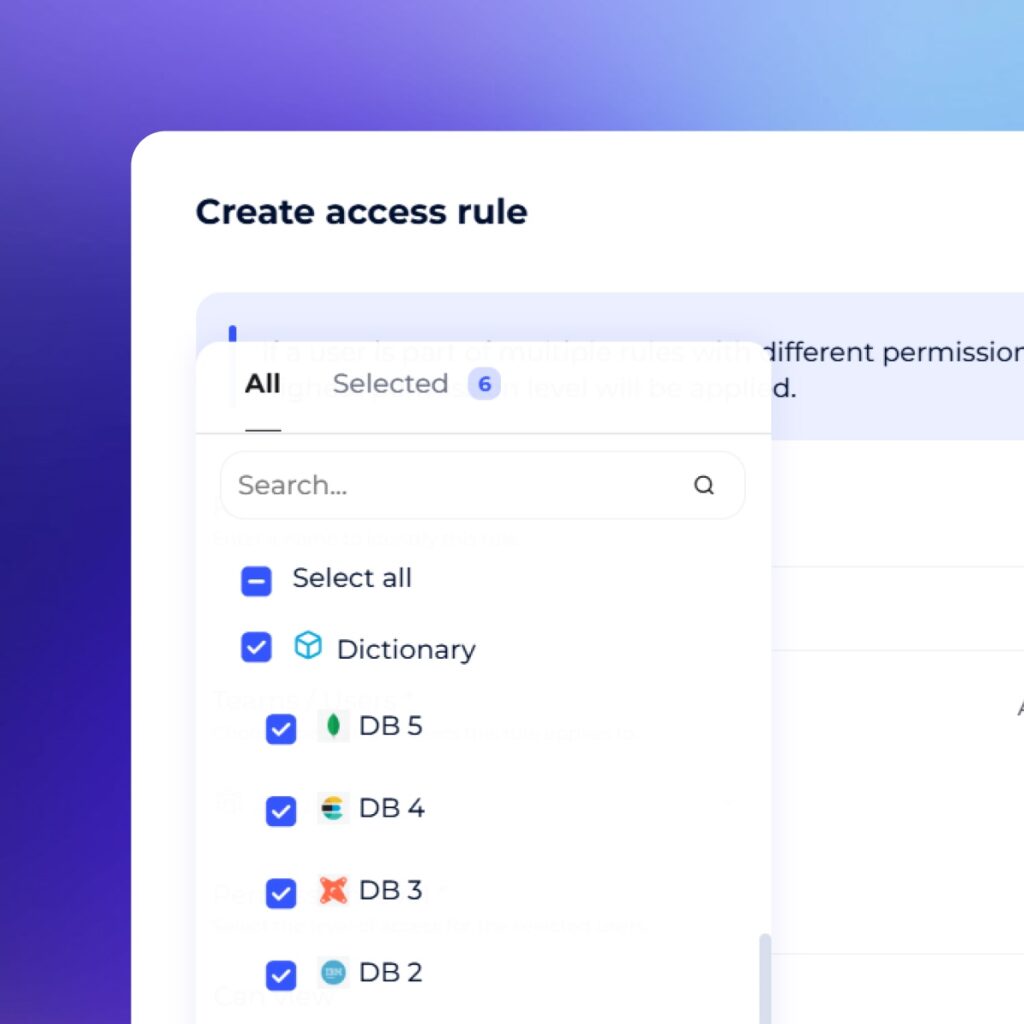
Workspace Admins can now grant permissions to the entire Dictionary at once and automatically include all future sources.
This enhancement removes the need to manually update access rules whenever a new source is created. Admins can manage permissions more efficiently while ensuring consistent governance across the dictionary.
URN mode is now activated by default, providing a more consistent and stable way to identify objects across your data ecosystem.
By standardizing how assets are referenced, this improvement helps increase lineage accuracy, simplifies integrations with modern data tools, and strengthens interoperability across platforms.
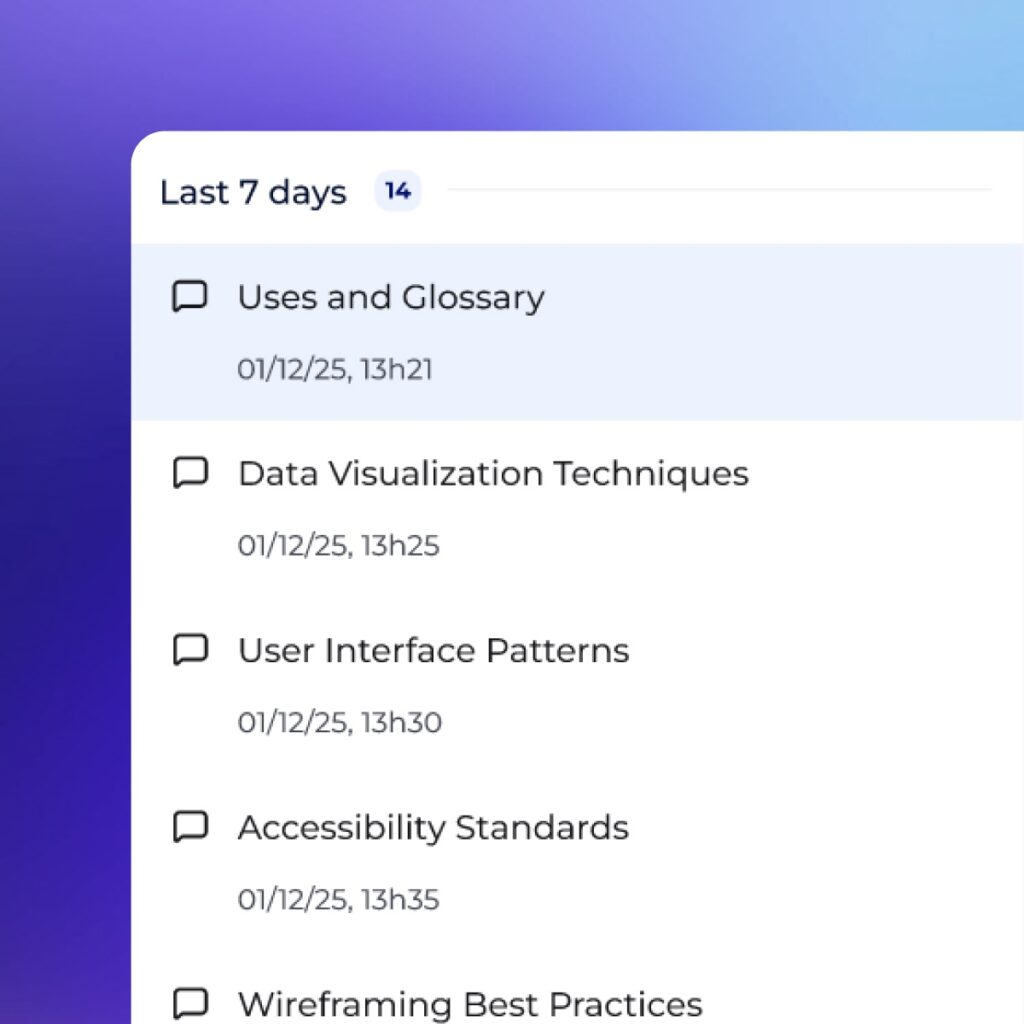
Users can now access the history of their conversations with Blink.
This makes it easier to revisit previous questions, insights, and explanations while exploring data. Teams can continue discussions over time, track their reasoning, and quickly return to useful context without starting from scratch.

A new User Swap capability will allow administrators to quickly transfer the roles of a departing user to another existing user.
This will enable seamless user removal without requiring manual updates across multiple workspaces. All actions will be logged to ensure full visibility and traceability.
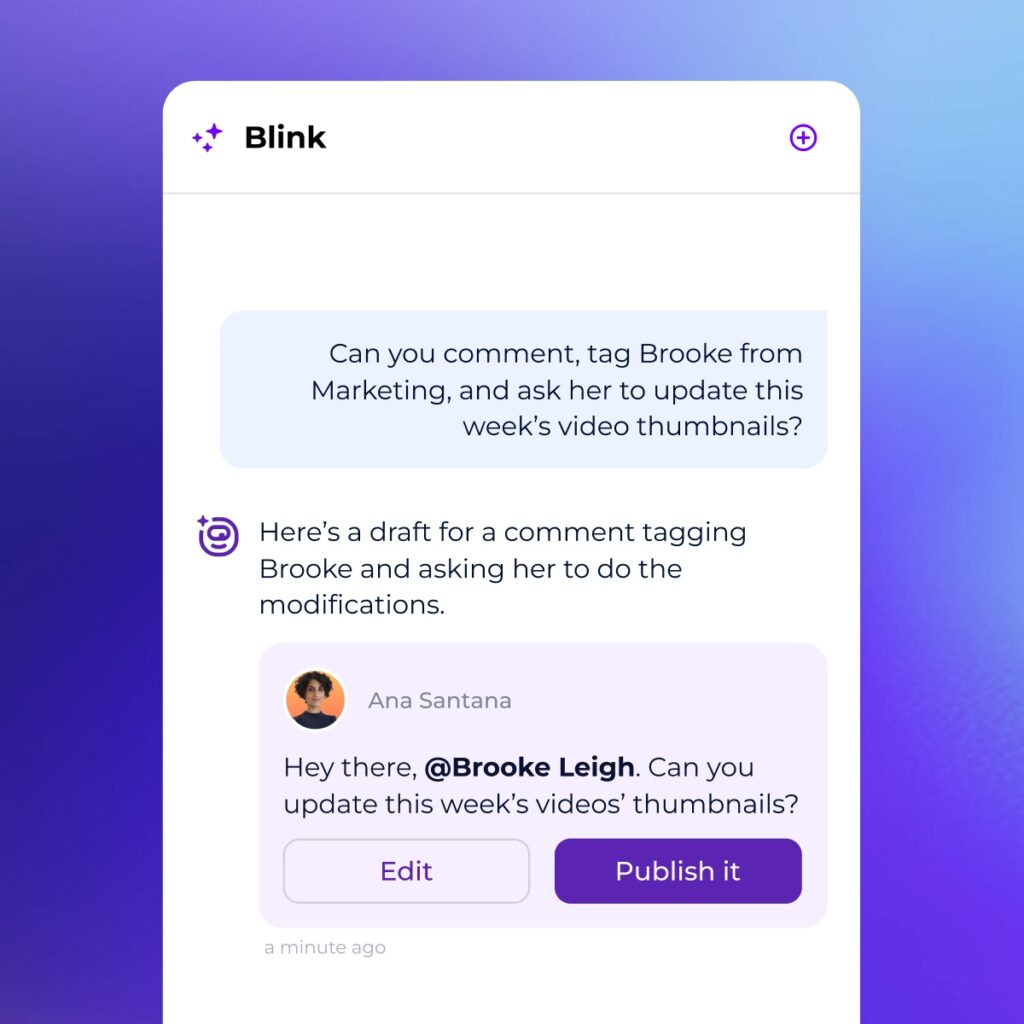
Blink will soon be able to execute actions directly from the chatbot, starting with the ability to create comments on your behalf.
This is the first step toward enabling operational actions from Blink, helping teams collaborate more easily and keep the catalog documentation up to date.
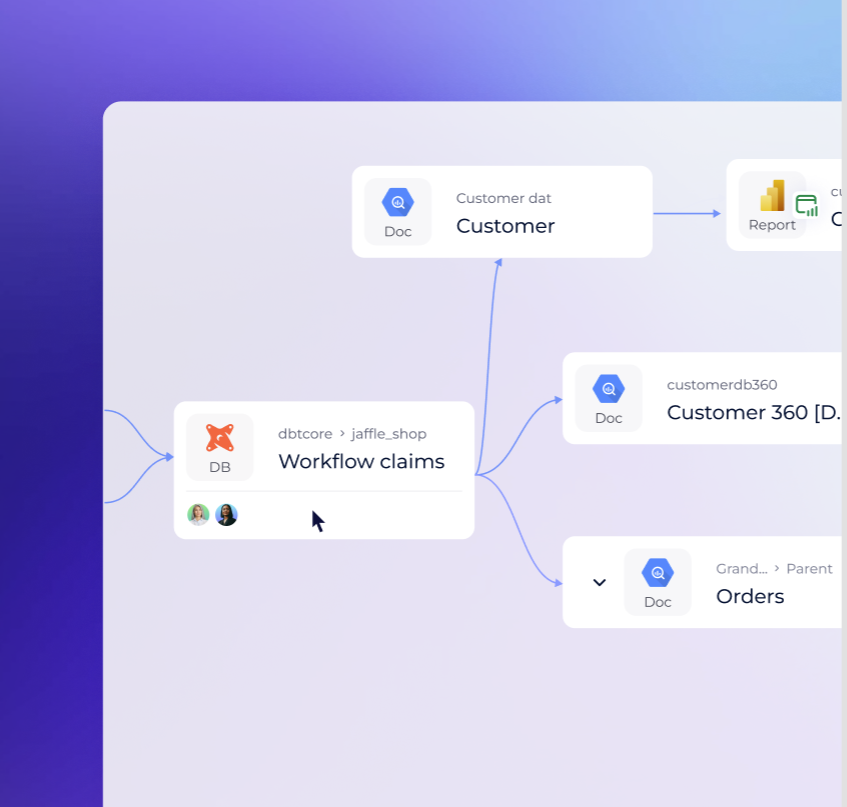
Soon, you will be able to connect dbt transformations (Core and Cloud) to the underlying data objects in BigQuery, Snowflake, and Databricks.
This will enable true end-to-end lineage extending all the way to visualization tools such as Power BI. Teams will gain a clearer and more reliable understanding of how data flows from source systems to business insights.
Product Marketing Manager